Khust City

Khust City
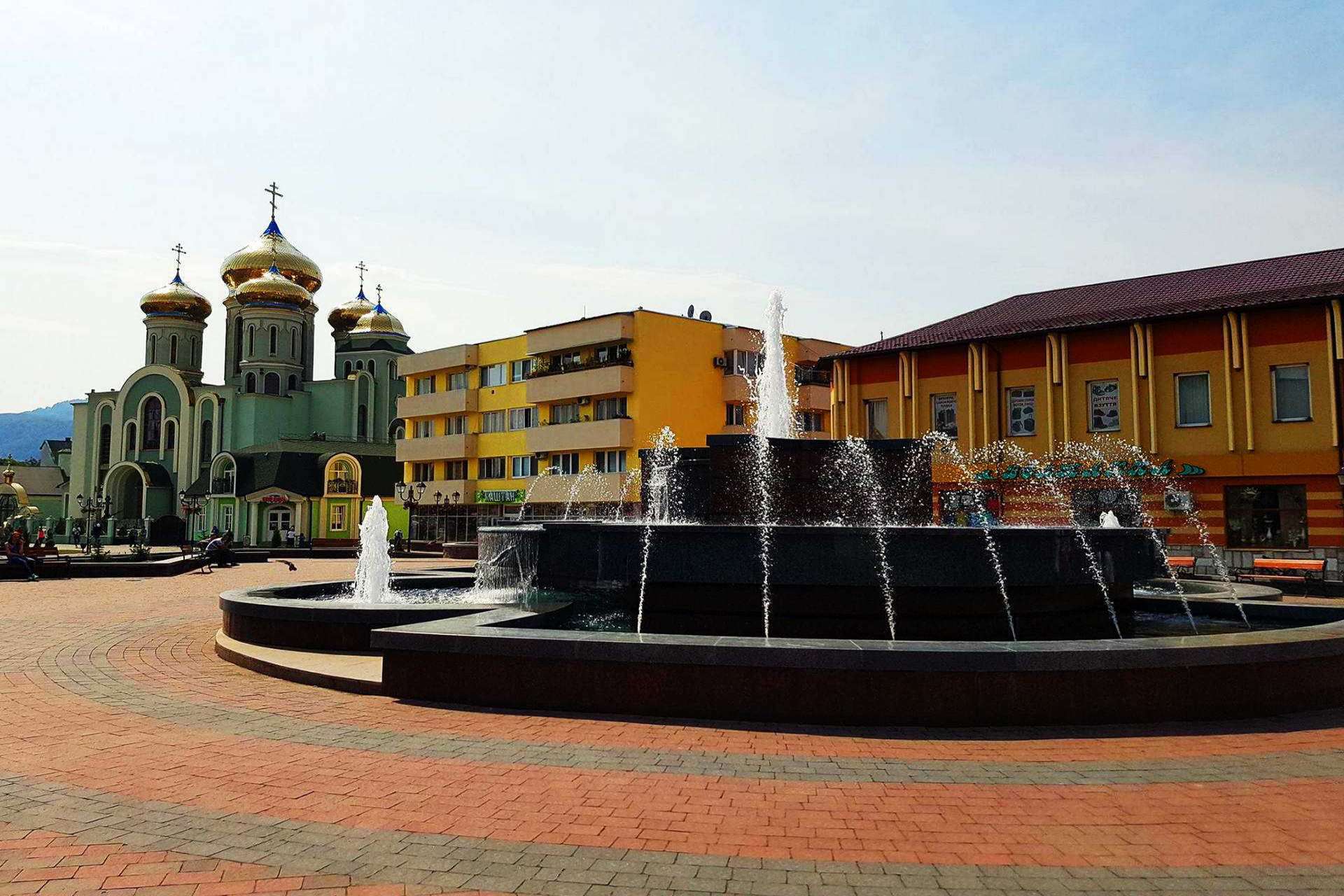
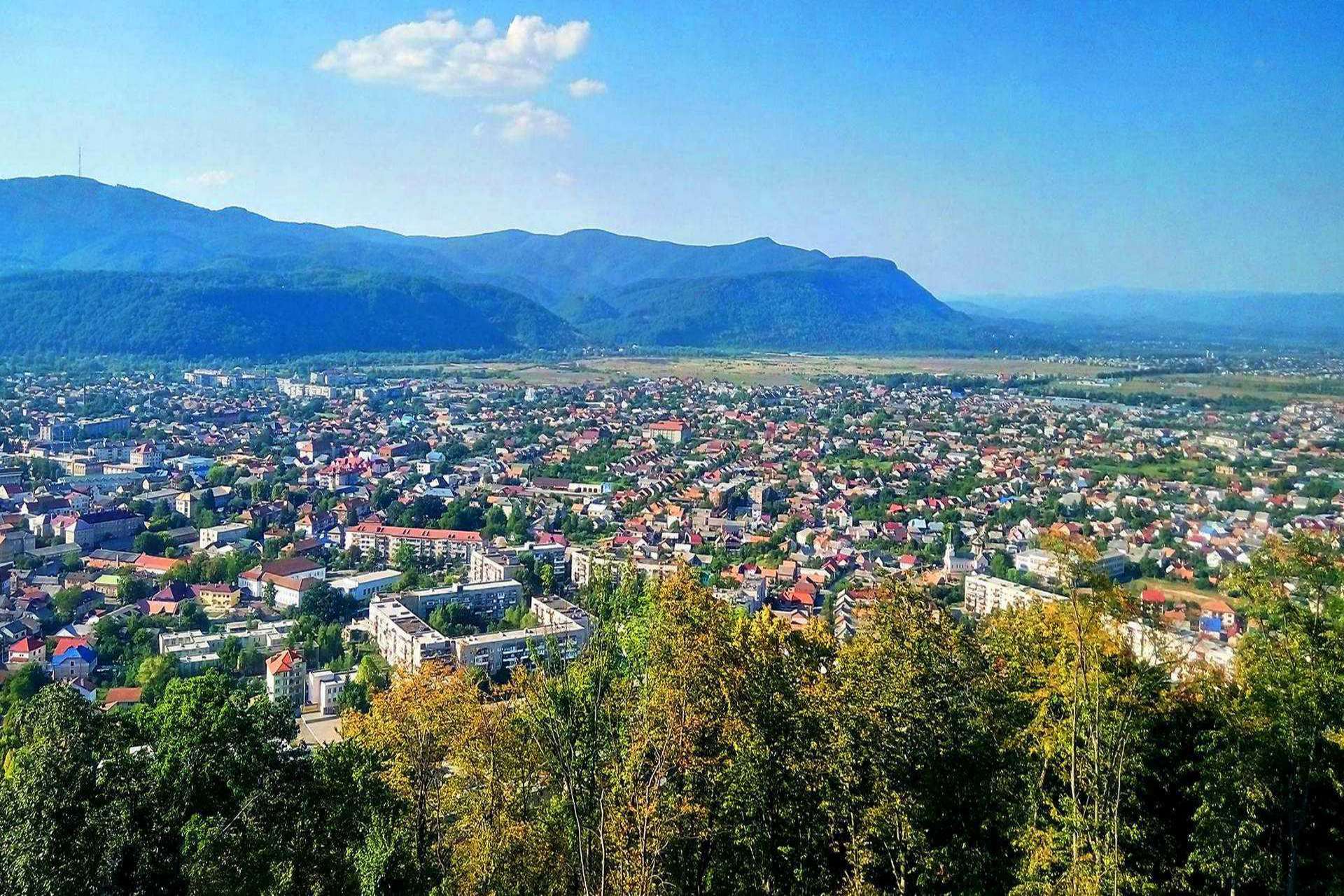
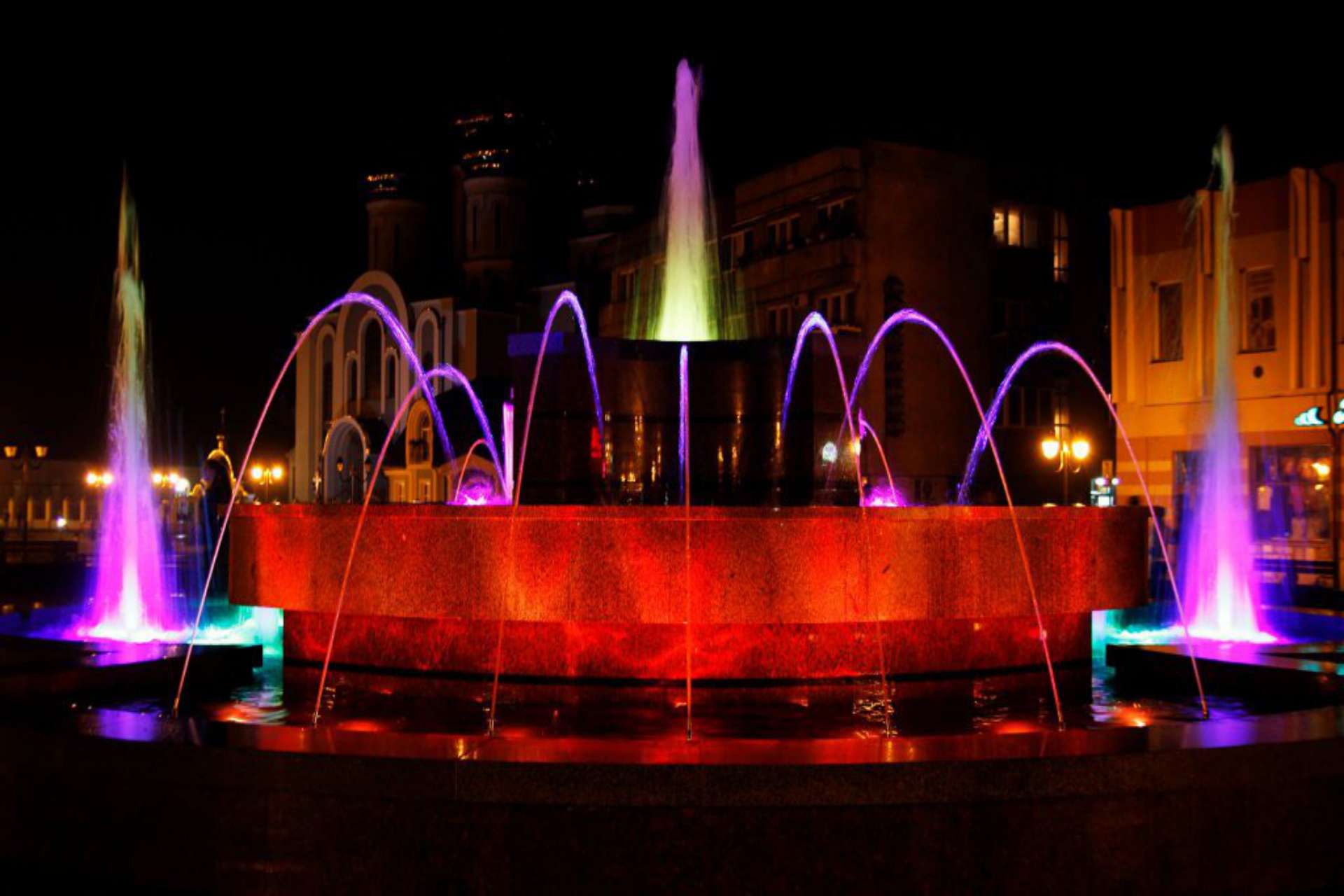
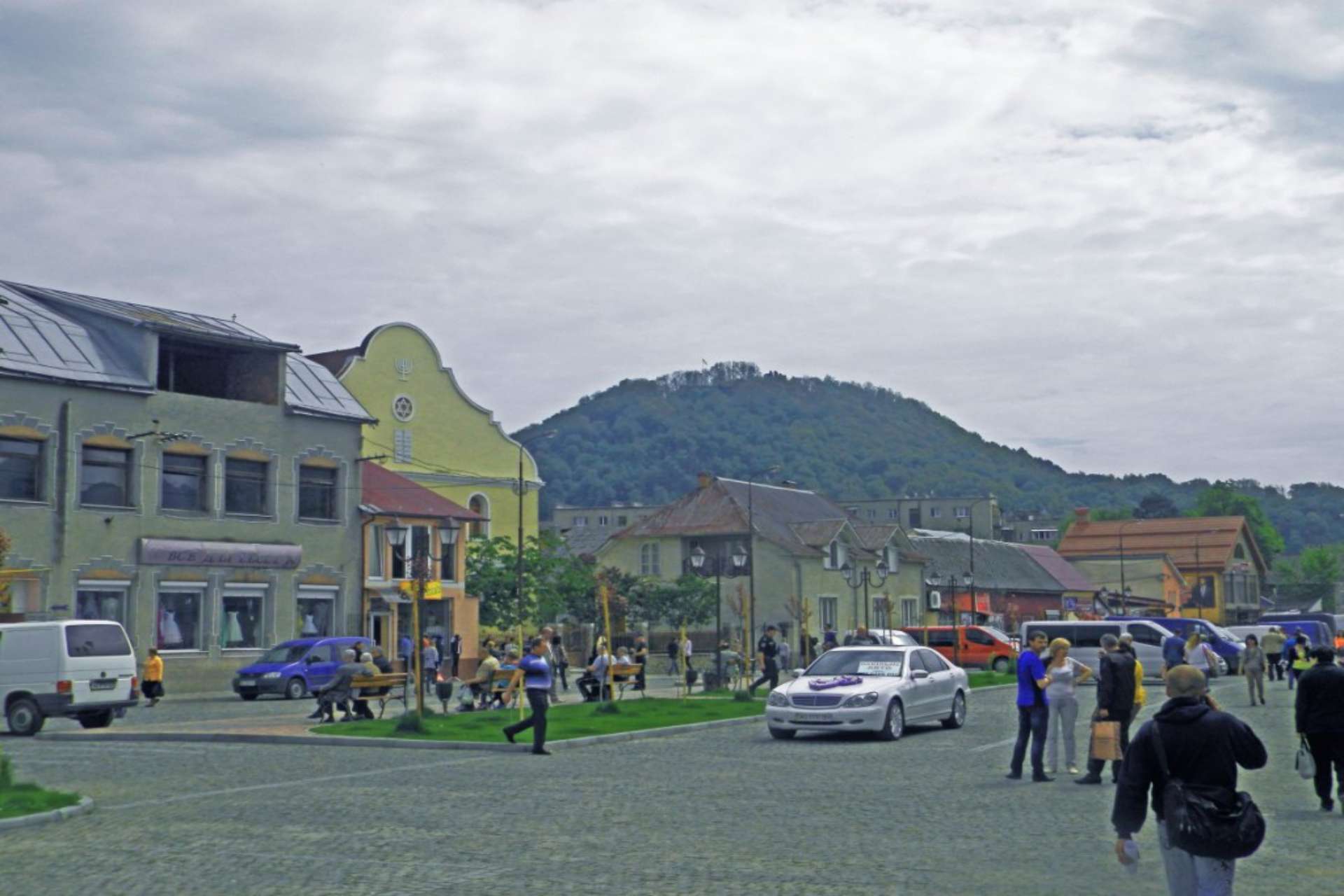
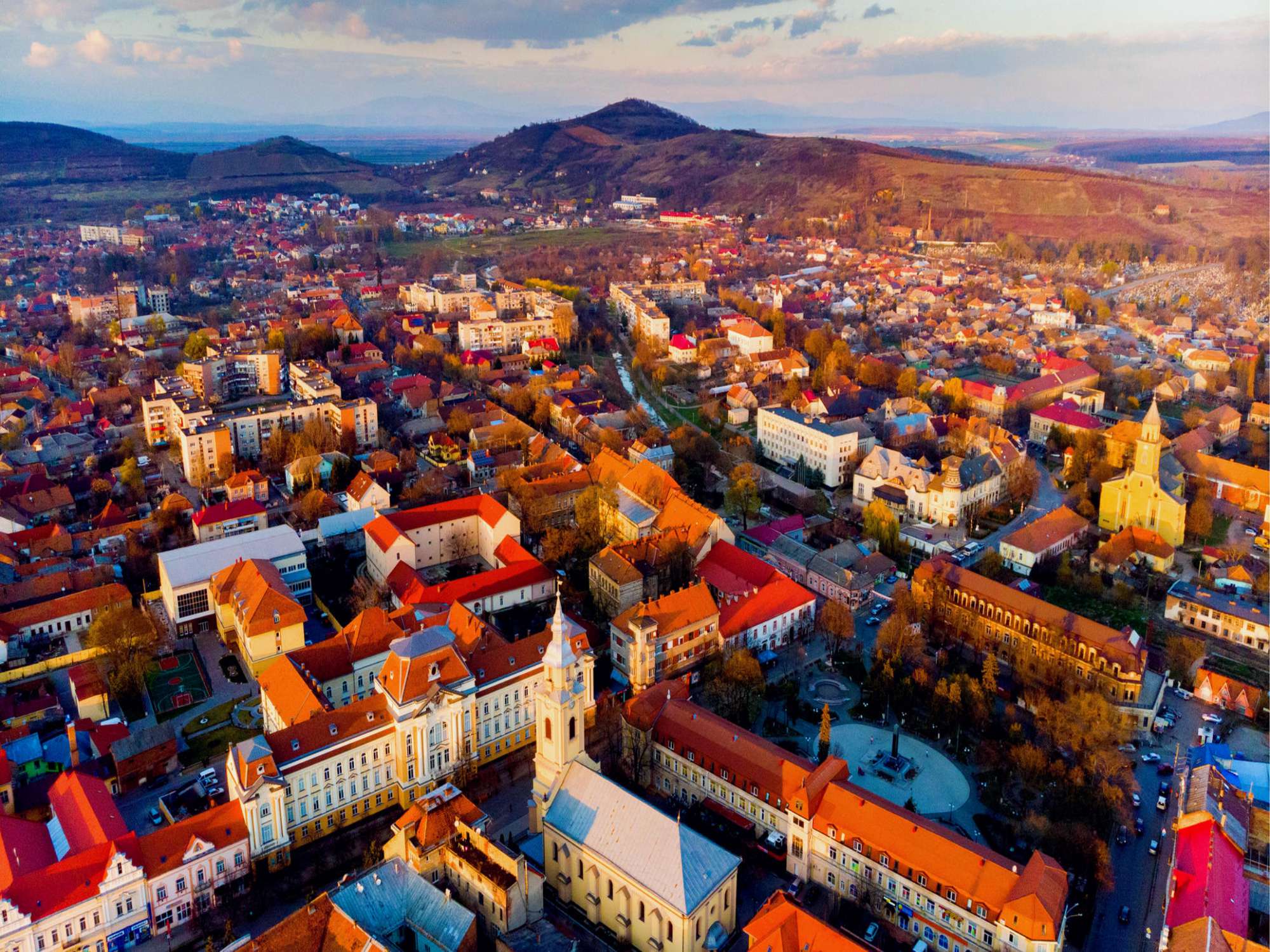
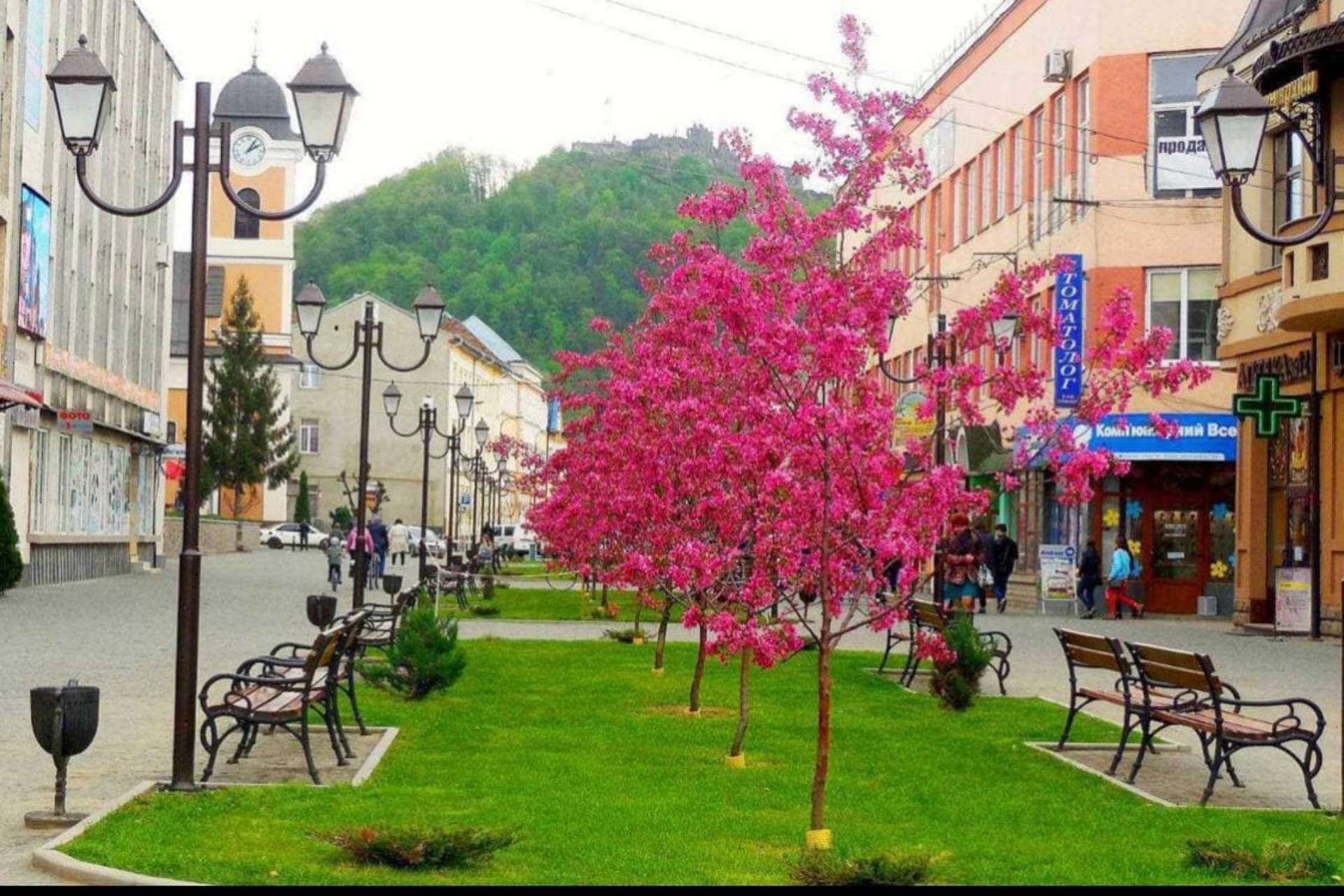
The distance is about 70 km from the hotel. Khust is a city in the Transcarpathian region of Ukraine. The administrative center of the Khust district and the Khust community. The third most populous city of Transcarpathia. The city amazes with its architecture against the backdrop of mountain peaks. It seems that a landscape from the magazines of foreign resorts appears in front of you. Beauty and more! In addition, the city is interesting for its numerous sacred buildings.
What to see in Khust first of all
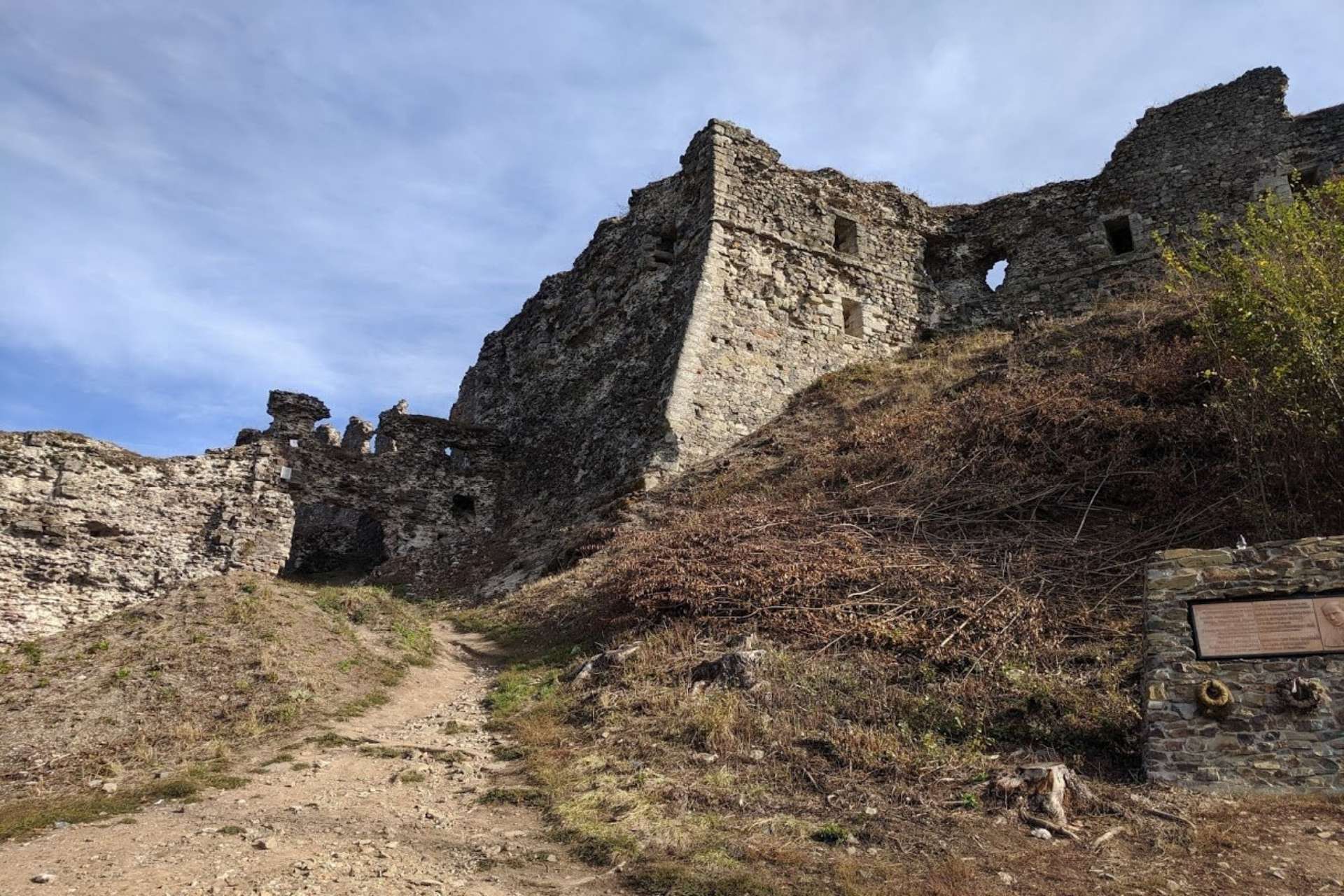
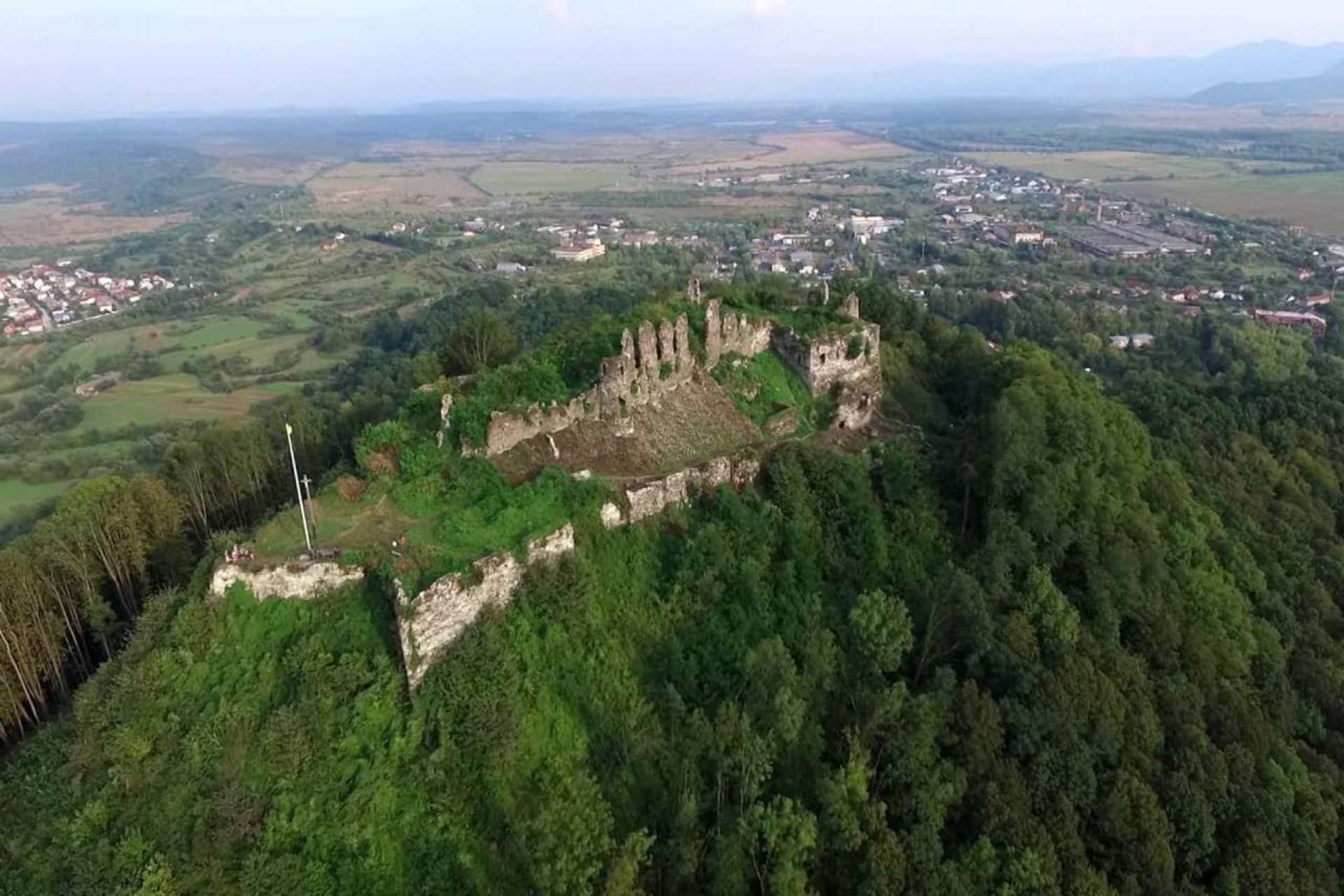
Khust castle is exactly the place from which the whole history of the city begins. This is the only silent witness who survived all the troubles and joys of the city.
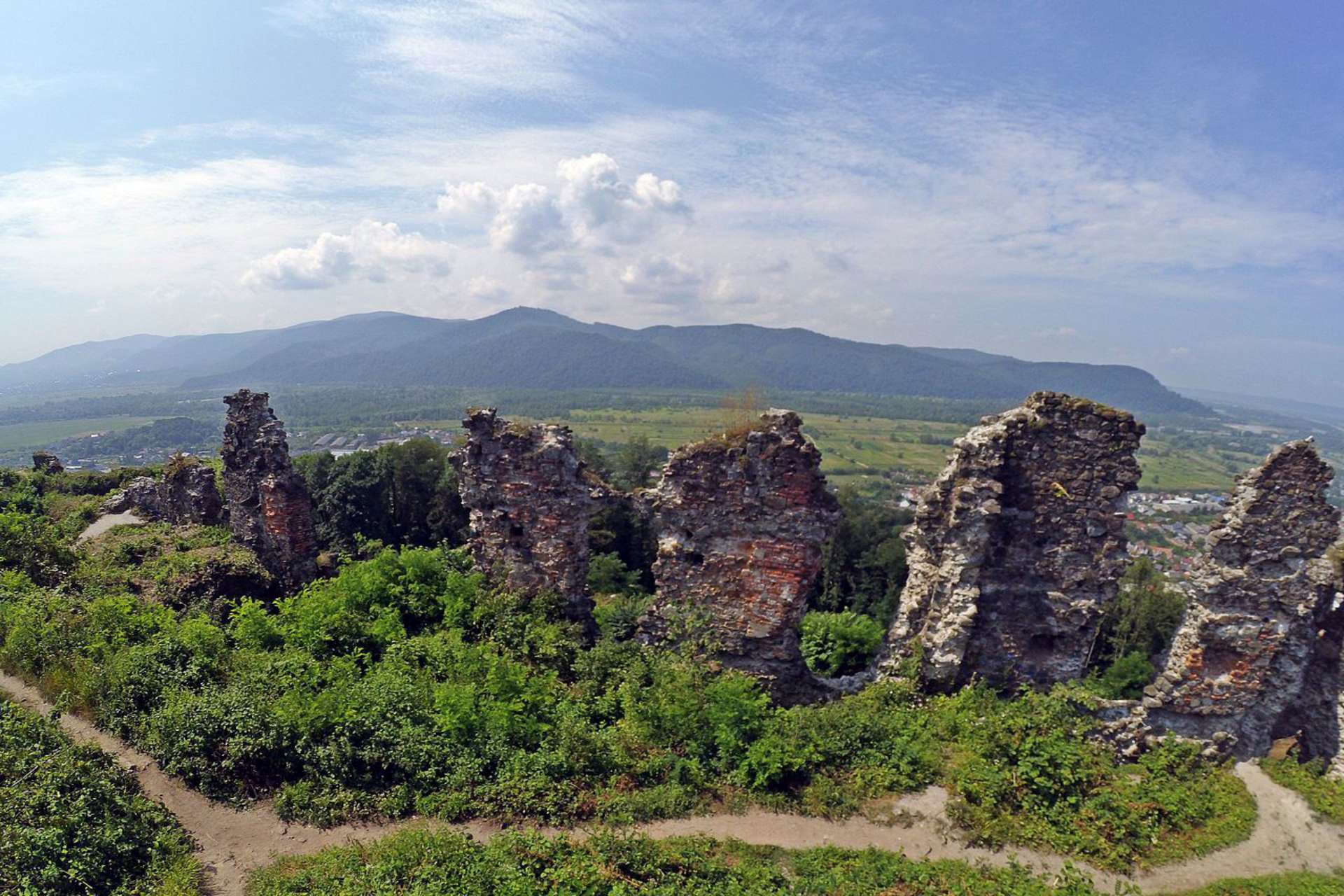
The legend about the birth of the notorious Count Dracula – Vlad the Impaler is associated with the castle. Indeed, the mother of the Romanian nobleman comes precisely from these lands, her father Bogdan from the Sas clan was the governor of the castle. They say that the grandson also came to his grandfather’s home many times, even hiding some of the untold treasures within the walls of the castle. But this is true or fiction, you decide. Now the Khust castle is in ruins, but there is still something interesting and daring traveler to see there.
Castle Hill or Park “Khust Castle”. This is a place that needs renovation, but has not lost its charm. It is especially pleasant here to walk along neatly laid trails among cozy green spaces.
Khust Museum of Local Lore.
This is the place where the most historical treasures are kept. Only here you can fully get to know the city and its history. Study its features, explore the most interesting moments of life. Every year, something new is added to the exposition of the museum, this makes precious collections more and more interesting for visitors. It’s just that on the territory of the museum you can buy a unique and original souvenir of Carpathian masters and see the unique masterpieces of Ukrainian and not only artists. The doors of the Khust Museum of Local Lore are hospitably open to all visitors on weekdays from 9:00 AM.
Temple of St. Elizabeth.
A unique sacred monument of the 13th century. The oldest temple of Khust and one of the unique sacred pearls of Transcarpathia. It so happened historically that from the very beginning the temple belonged to the Roman Catholic confession, which is why the people still call the church “the church”.
Temple of St. Anne. The history of the temple is more than 300 years old. Its construction began back in 1799. Incredibly, the shrine in the city center is also unique in that it preserves the surviving remains of the legendary Khust castle – a clock and a bell. Thus, the castle was literally reborn into a temple. Next to the Church of St. Anne on the same square of Bohdan Khmelnitsky there is another ancient sacred architectural monument – the Cathedral of the Ascension of the Lord. The temple, which is half a century older than its neighbor, belongs to the Greek Catholic denomination.
Czech quarter.
A historical part of the city that is worth filming in a historical film. Czechoslovak power strengthened in Transcarpathia in the first half of the twentieth century. specially for her servicemen she brought together an entire quarter in the then fashionable architectural style “chalet”. Literally within one year in the period 1924 – 1925. The Prague functionalist architect Freiwald brings together a full-fledged miracle. To ask the local people for directions to the quarter, you need to ask about “Prague” or “Czech town”
“Masaryk colony”.
The modern name of the street where the famous Czech quarter is located is st. Vakarov. Nearby is the city school number 1, in which the first president Augustin Voloshin proclaimed an independent Carpathian
Valley of the daffodils.
A unique natural miracle, which on the territory of Ukraine can be seen only in the Khust region. Real wild spring flowers cover a huge area and give an incredible scent. Such a miracle can be seen by visiting the Kireshi tract since March. Then there is a chance to see with your own eyes a blooming saffron and a delicate primrose